How Climate Change Influences Shoreline Landscaping Choices?
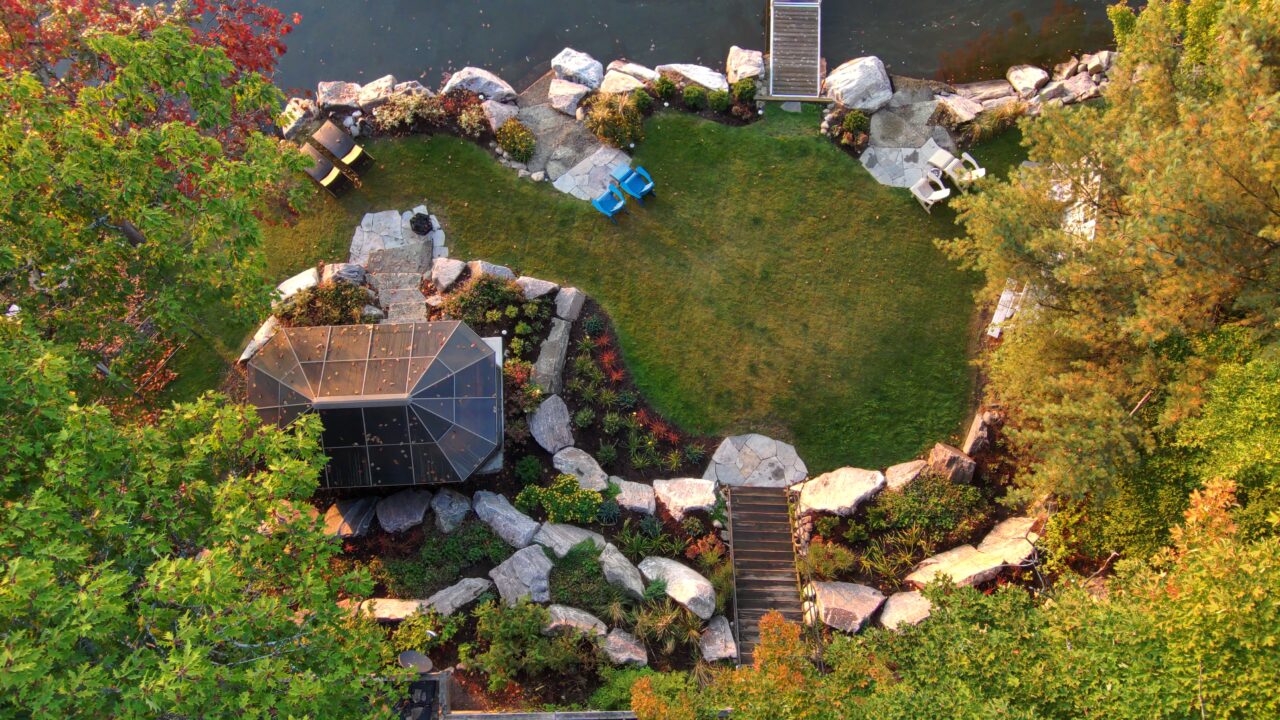
Climate change is impacting our environment in numerous ways, and one area that has been significantly affected is shoreline landscaping. As rising sea levels, increased storm activity, and changing weather patterns become more pronounced, these changes have forced property owners, municipalities, and landscape professionals to rethink how they approach shoreline landscaping. The preservation of coastal ecosystems, protection against erosion, and the overall aesthetics of waterfront properties are all influenced by the evolving climate. This article will explore the key ways in which climate change is reshaping the decisions made in shoreline landscaping.
Increased Erosion and Coastal Protection Measures
One of the most noticeable effects of climate change on shoreline landscaping is the increase in erosion. As sea levels rise, the natural flow of water and the force of waves can gradually wear away the land, threatening coastal properties and infrastructure. This has led to a significant shift in landscaping strategies as property owners seek to protect their homes and businesses from the encroaching ocean.
Coastal property owners are increasingly investing in landscaping solutions that can help reduce the effects of erosion. Native plants that have deep root systems are being used more frequently because they help hold the soil together, preventing it from washing away. Additionally, the use of living shorelines, which combine plants, sand, and natural materials to stabilize the coastline, is becoming more popular. These approaches not only help reduce erosion but also contribute to enhancing biodiversity and preserving natural habitats.
Rising Sea Levels and Flooding Risks
Rising sea levels due to melting polar ice caps and thermal expansion are contributing to a higher frequency of flooding along coastal areas. Shoreline landscaping choices must now factor in these risks by selecting plant species and hardscaping elements that can withstand periodic inundation and saltwater exposure.
For example, salt-tolerant plants such as beach grasses, marsh plants, and mangroves are increasingly being used in shoreline landscaping to create more resilient coastal landscapes. These plants not only thrive in saline conditions but also serve to filter pollutants and provide habitat for wildlife. In addition, property owners may need to install flood barriers, raised walkways, and other infrastructure as part of a comprehensive landscaping design that can handle the new realities of frequent flooding.
Storm Surge and Wind Resistance
Increased storm activity is another byproduct of climate change, leading to more frequent and intense hurricanes and tropical storms. These storms bring with them powerful wind gusts, heavy rains, and storm surges that can devastate coastal areas. As a result, shoreline landscaping must now incorporate elements that are capable of withstanding extreme weather events.
Wind-resistant plants, such as hardy grasses and shrubs with flexible stems, are being chosen to help minimize wind damage. Additionally, landscape architects are designing shorelines with strategic plant placements that can act as windbreaks, protecting both the landscape and nearby structures. Stormwater management systems, including permeable surfaces and rain gardens, are also being integrated into landscape designs to absorb heavy rainfall and reduce the risk of flooding.
Habitat Preservation and Biodiversity
As climate change alters ecosystems, maintaining biodiversity along shorelines has become a critical component of landscaping decisions. The loss of habitats due to rising sea levels and increased storm frequency can have devastating consequences for local wildlife, particularly for species that rely on coastal areas for breeding and feeding.
In response, many landscape designers are focusing on preserving or restoring native habitats in their shoreline landscaping projects. Native plant species are particularly valuable because they provide food and shelter for wildlife, and their deep root systems help prevent soil erosion. Additionally, some projects now include the creation of wetlands or the restoration of mangrove forests, which are vital for coastal protection and support diverse ecosystems.
Water Conservation and Sustainable Practices
As the effects of climate change intensify, water scarcity is becoming an increasingly pressing issue. Shoreline landscaping that conserves water is more important than ever. Drought-tolerant plants and sustainable irrigation practices are being prioritized to ensure that coastal landscapes are not only resilient to climate change but also responsible in their resource use.
Landscape designers are also turning to sustainable practices, such as rainwater harvesting and the use of recycled materials in hardscaping. These practices help reduce the environmental impact of landscaping while ensuring that coastal areas can withstand the challenges posed by a changing climate.
Conclusion
Climate change is reshaping the way we think about shoreline landscaping. With rising sea levels, increased storm activity, and other environmental changes, property owners and landscape professionals must adopt new strategies to protect coastal areas, preserve biodiversity, and create resilient landscapes. By focusing on sustainable practices, native plants, and innovative solutions for erosion and flooding, shoreline landscaping is evolving to meet the challenges of a changing climate. The future of coastal environments depends on our ability to adapt and make thoughtful, climate-conscious decisions in our landscaping choices.
Post Your Ad Here