The Role of Caskets in Traditional Funeral Services
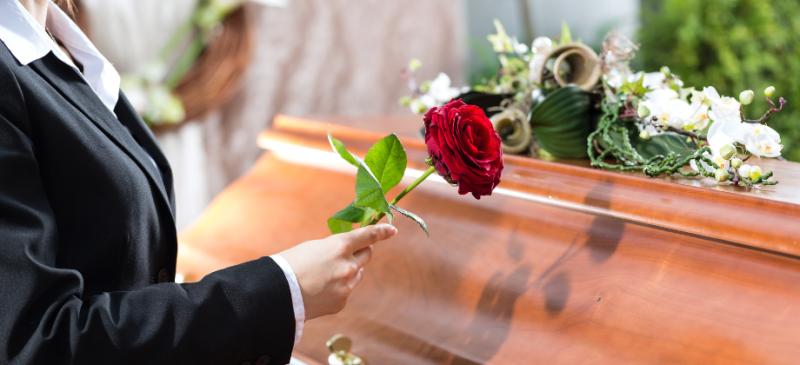
Funeral traditions have been a part of human life for thousands of years. These rituals help people honor and say goodbye to those who have passed away. One of the most important elements of a traditional funeral is the funeral casket. A casket is not just a container for the deceased but also a symbol of respect, tradition, and the deep emotions that come with the loss of a loved one. In this article, we will explore the role funeral caskets play in traditional funeral services, looking at their history, meaning, design, and how they help with the grieving process.
The History of Funeral Caskets
Caskets have been used in burial practices for thousands of years. In ancient Egypt, people were buried in tombs, and the deceased’s body was placed in a coffin made of wood, stone, or metal. These coffins were designed to protect the body and, in some cases, to help the person’s soul in their journey to the afterlife. Over time, the use of caskets evolved, especially in Europe, where wealthy individuals had more ornate, expensive coffins made from expensive materials like wood, metal, and jewels.
During the 19th century, the design of caskets became more standardized. Although the materials and designs still varied based on different customs, cultures, and economic status, funeral caskets became more commonly used in most traditional funeral services. Today, caskets are available in a wide range of materials and styles, from simple wooden boxes to high-end models made from steel or copper.
The Symbolism of Funeral Caskets
Caskets carry deep symbolic meaning in many cultures. They are not just a place to store the deceased but represent the end of life, the journey to the afterlife, or a respectful final resting place. Many people see the casket as an important part of the funeral, as it helps mark the transition from life to death.
In Christian traditions, for example, the casket is often connected to the belief in resurrection. The casket symbolizes the temporary resting place for the body before it is brought back to life in the afterlife. In other religions or spiritual beliefs, caskets may have different meanings, but they often carry the same purpose: to show respect for the person who has passed and to keep them protected.
The casket is also a way to protect the body of the deceased from the elements. This is seen in many traditions worldwide, such as in Japan, where the casket is made from beautifully crafted wood and sometimes decorated with intricate carvings. The idea is that the casket preserves the dignity of the person who has died.
The Design and Materials of Funeral Caskets
Caskets come in many designs and materials, which vary depending on culture, personal taste, and budget. For many years, wood was the most common material for making caskets. In Western cultures, caskets were often made from hardwoods like oak, mahogany, and cherry, which were chosen for their strength and beauty. These wooden caskets could also be beautifully polished or carved to make them more visually appealing.
In the 20th century, other materials like steel, bronze, and stainless steel became popular choices for caskets, as these materials are durable and resistant to decay. Steel caskets are especially useful in places with extreme weather or high humidity. Today, many caskets are available in a variety of materials, from simple wood to luxurious metals, and some are even made from eco-friendly options to reduce their environmental impact.
The design of the casket is also an important factor for many families. Traditionally, caskets were simple rectangular boxes, but today, many have more detailed features like velvet or satin linings and decorative patterns. Families may choose a casket that reflects the deceased’s personality or interests, such as a casket shaped like a favorite object or decorated with a specific design.
Funeral Caskets and the Grieving Process
Funeral caskets play an important role in the emotional experience of mourning. For many, choosing a casket is an important way to show love and respect for the person who has passed. The decision about which casket to choose can be both a practical and emotional one, as it can reflect the relationship the family had with the deceased and the type of funeral they want to have.
Choosing a casket is often a difficult process. Families may consider the deceased's wishes (if known), cultural traditions, religious beliefs, and budget. While some may want an elaborate, expensive casket, others may prefer a more simple, modest option. Either way, the casket is a meaningful part of the process, and the decision can help the family feel that they are properly honoring their loved one.
The process of picking a casket can also bring comfort during a difficult time. Many funeral homes assist in choosing a casket, offering guidance and helping families make the best choice for their needs. For some families, this can be an important part of their healing process as they reflect on the life of the person they’ve lost.
The Practical Role of Funeral Caskets
While the symbolic and emotional importance of funeral caskets is clear, they also serve a practical purpose. The main job of the casket is to hold and protect the body of the deceased. This is important for maintaining the dignity of the person who has died and keeping the body safe during the funeral process.
Funeral caskets are designed with different features to ensure the protection of the deceased. Many caskets include a gasket or sealing system that creates an airtight seal, preventing moisture and dirt from entering. This is especially important when the casket is going to be buried or placed in a mausoleum. Some caskets are designed with materials that prevent decay, which helps preserve the body for a longer period.
Caskets are also designed to be easily transported. Whether being moved to a funeral home, a church, or a cemetery, caskets are built to be strong enough to be carried by pallbearers or lifted using machinery. The size and weight of the casket are carefully considered to make transportation as easy and safe as possible.
Cultural Differences in Funeral Casket Traditions
Funeral caskets are influenced not only by personal preferences and religious beliefs but also by cultural traditions. Different cultures have unique customs when it comes to funerals, including the type of casket used.
In many African cultures, for example, caskets are often highly personalized. These "fantasy coffins" are crafted to reflect the person’s life or interests. For instance, a person who loved cars might have a casket shaped like a car, or someone passionate about music might be buried in a casket shaped like a musical instrument. These caskets are usually handcrafted by artisans and can be very colorful and imaginative.
In contrast, many Eastern cultures, such as in China, Japan, and Korea, tend to focus on simplicity and humility in their funeral traditions. The caskets used in these cultures are often plain and unadorned, with a focus on spiritual practices rather than material displays of wealth.
In Western countries like the United States, families often choose a casket based on personal preference, religious beliefs, and their budget. Some families may go for a traditional wood or metal casket, while others may opt for more environmentally friendly options, such as biodegradable caskets.
Conclusion
Funeral caskets are a central part of traditional funeral services, serving both practical and symbolic purposes. They protect the deceased and provide a respectful final resting place, but they also carry significant emotional meaning. Choosing a casket is a deeply personal decision for the family and can help them express their love, respect, and grief for their lost loved one.
Over time, the design and materials of funeral caskets have evolved, reflecting changes in culture, technology, and personal preferences. Whether it is made from wood, metal, or eco-friendly materials, the casket remains an important element of the funeral process. It helps to honor the life of the deceased and provide comfort to the grieving family, ensuring that the memory of their loved one is respected and preserved for future generations.
Post Your Ad Here
Comments