How Packaging Design Influences Gum Flavor Perception
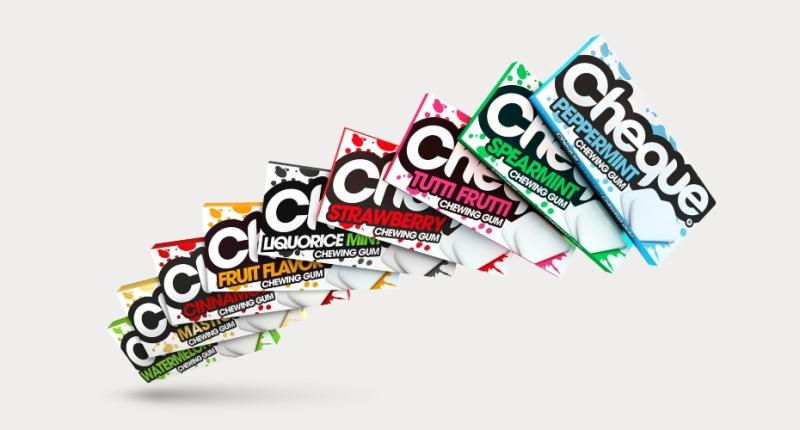
Packaging plays a key role in shaping consumer expectations. The design, colors, and material of a package affect how people perceive the flavor of gum. Even before tasting, the visual appeal of a package sets an expectation. Let’s explore how different packaging elements influence gum flavor perception.
The Role of Color in Flavor Expectation
Color is one of the first things people notice about a package. Bright and bold colors often suggest strong or fruity flavors. Soft pastel shades can indicate mild or minty flavors. For example, red packaging may suggest a strong cinnamon flavor, while green often represents mint.
Studies show that people associate colors with taste. A blue package may make a gum feel cooler, while yellow may give the impression of a citrus flavor. Color psychology plays a big role in food choices. It influences how people feel before they even open the package. Brands use this strategy to make flavors more appealing.
Consumers also form flavor expectations based on past experiences. If they have tried a gum with blue packaging before and it tasted like mint, they will expect the same from another gum in similar packaging. This expectation can change the way the flavor is experienced. Even if the formula remains the same, the perception of taste may differ due to packaging color.
How Packaging Material Affects Taste Perception
The material used in packaging affects how people perceive taste. A smooth, shiny wrapper may make the gum feel more premium and flavorful. A rough or dull wrapper can give the impression of a cheaper product with a weaker taste.
Chewing gum packaging that feels soft or flexible may suggest a juicy and fresh gum. A stiff or rigid material can imply a longer-lasting, intense flavor. The way the package opens also matters. A resealable package might indicate freshness and quality. A simple paper wrapper may suggest a traditional or nostalgic taste experience.
Texture plays a role in flavor anticipation. If the packaging feels luxurious, consumers might expect a rich and bold taste. If it feels flimsy, they may assume the flavor will be weak or artificial. This is why premium gum brands often use higher-quality materials for their packaging.
The Impact of Font and Typography
Font style and typography also affect flavor perception. A playful, bubbly font can give a fun and sweet impression. A sleek, modern font might suggest a bold and intense flavor. The size and shape of letters matter too. Large and bold letters may indicate a strong flavor, while small and elegant fonts suggest a smooth or mild taste.
Typography helps create a connection between the product and the consumer. If the font aligns with the expected flavor, it enhances the overall experience. For instance, a spicy gum flavor may use sharp and edgy typography. A creamy or fruity gum might feature curved, soft fonts. These details build expectations before the consumer even unwraps the gum.
Placement of text also plays a role. If the name of the flavor is displayed prominently, it can reinforce expectations. If the text is too small or hidden, consumers might feel uncertain about what they are about to taste. A well-designed typography layout can increase brand trust and enhance flavor anticipation.
The Influence of Imagery and Graphics
Images and graphics on packaging provide a visual cue about the gum’s flavor. A picture of fresh mint leaves instantly suggests a cool and refreshing taste. A juicy fruit illustration hints at a strong fruity flavor. Consumers rely on these images to confirm their expectations.
If the packaging displays an image of a citrus fruit, consumers will expect a tangy and zesty flavor. If the taste does not match the image, it can lead to disappointment. This is why brands carefully choose graphics to ensure they align with the actual flavor.
Shiny or matte finishes also impact perception. A glossy package can make the gum seem more refreshing, while a matte texture can suggest a rich and smooth flavor. These elements work together to shape the consumer’s first impression.
The Role of Shape and Size in Flavor Perception
The shape and size of gum packaging influence expectations. A slim, sleek package may suggest a fresh and modern flavor. A bulky or classic package might indicate a familiar and traditional taste.
Consumers often associate package shape with gum texture. A long, thin pack may suggest soft and chewy gum. A square box could indicate hard-coated gum with a crunchy shell. These subconscious cues affect how people experience the gum’s flavor.
Ergonomic packaging also improves user experience. A well-designed package that is easy to open can enhance the overall perception of the product. If the packaging is frustrating, it may impact how consumers feel about the flavor, even before they take a bite.
The Impact of Brand Identity on Flavor Expectations
Brand identity plays a major role in shaping flavor perception. A well-known brand with a reputation for strong flavors will create an expectation for bold taste. A brand known for mild flavors will lead consumers to expect a softer taste experience.
Logos and branding elements also impact perception. A clean and minimalistic logo can suggest a refined and sophisticated flavor. A playful and colorful logo may indicate a fun, fruity taste. Consumers rely on these brand signals to form expectations before they try the product.
If a brand maintains consistent packaging design across different flavors, it can reinforce trust. If the design suddenly changes, consumers might question whether the flavor has changed as well. A strong brand identity builds familiarity and enhances the overall experience.
The Effect of Scent Release from Packaging
Scent is closely linked to taste. Some gum packaging is designed to release a slight aroma when opened. This can influence how the gum’s flavor is perceived. If a package gives off a strong mint scent, the consumer will expect a refreshing and cool taste.
Scented packaging helps enhance anticipation. If a fruity gum has packaging that smells like berries, it can make the flavor seem stronger. This technique is commonly used to boost the sensory experience before the gum is even chewed.
If the scent from the packaging does not match the flavor, it can create confusion. A mismatch between aroma and taste can reduce enjoyment. That is why brands carefully test scent release to ensure it aligns with flavor expectations.
How Packaging Transparency Affects Perception
Transparent packaging allows consumers to see the product before purchase. This builds trust and enhances expectations. If a gum package has a clear window, consumers can judge the gum’s color and texture before opening it.
Seeing the gum before chewing it creates a stronger connection to the expected flavor. If the gum appears bright and vibrant, it may seem more flavorful. If it looks dull, it might be perceived as having a weaker taste.
Brands use transparency to showcase quality. A clear package can highlight fresh ingredients or unique textures. This visual confirmation strengthens the consumer’s confidence in the product and improves the overall experience.
Conclusion
Packaging design significantly influences how gum flavor is perceived. Color, typography, imagery, material, and scent all play a role in shaping expectations. When these elements align with the actual taste, the consumer’s experience improves. A well-designed package can make a gum feel more refreshing, fruity, or intense before it is even tasted. Brands use these design strategies to enhance product appeal and create a lasting impression on consumers.
Post Your Ad Here
Comments