Jaundice Diet - Myths Vs Facts
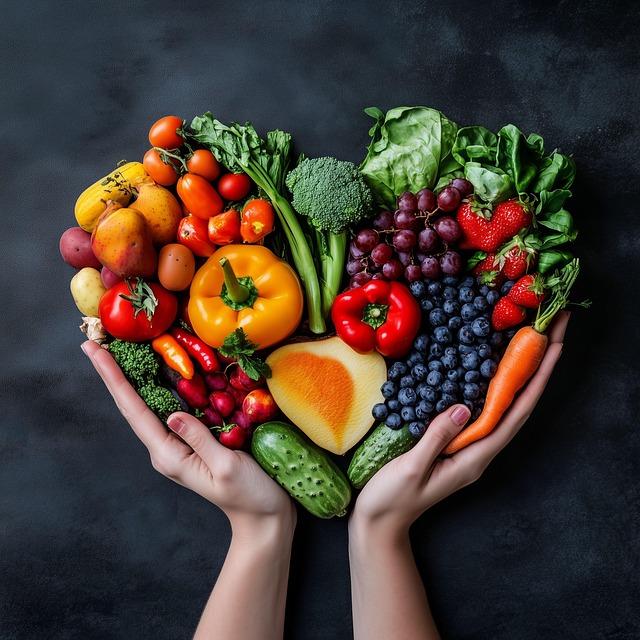
Navigating the world of dietary advice can be tricky, especially when dealing with a condition like jaundice. A well-structured jaundice diet chart is crucial for supporting liver health and promoting recovery, but it's equally important to separate fact from fiction. This post will debunk common myths surrounding the jaundice diet and present evidence-based facts to help you make informed dietary choices. Knowing the truth about foods to avoid in jaundice and what truly supports liver function is essential for effective management.
Jaundice, characterized by the yellowing of the skin and eyes, is a symptom of an underlying condition that disrupts the normal processing and elimination of bilirubin. This yellow pigment, produced during the breakdown of red blood cells, is normally processed by the liver and excreted in bile. When the liver is compromised, bilirubin accumulates in the bloodstream, leading to the characteristic yellowing. A jaundice diet aims to support the liver, reduce its workload, and facilitate bilirubin metabolism. Unfortunately, many myths and misconceptions surround this diet, often leading to confusion and potentially harmful dietary choices.
Common Jaundice Diet Myths and the Facts:
Let's explore some common myths and the corresponding facts:
Myth 1: You can cure jaundice with diet alone.
Fact: Diet plays a supportive role in managing jaundice, but it cannot cure the underlying condition causing it. Jaundice is a symptom of an underlying medical issue, such as hepatitis, gallstones, or other liver diseases. Medical treatment is essential to address the root cause. Dietary modifications can support liver function and alleviate symptoms, but they are not a substitute for medical care.
Myth 2: You should completely avoid all fats in a jaundice diet.
Fact: While it's important to moderate fat intake, completely eliminating all fats is not necessary or healthy. The liver needs some fat to function properly. The key is to focus on healthy fats in moderation, such as those found in avocados, nuts, and seeds, while limiting unhealthy fats found in fried foods, processed foods, and fatty meats. Completely eliminating fats can actually hinder the absorption of fat-soluble vitamins, which are crucial for liver health.
Myth 3: Protein is bad for jaundice and should be avoided.
Fact: Protein is essential for tissue repair and overall health, including liver health. However, the type and amount of protein are important considerations. Lean protein sources, such as chicken, fish, legumes, and tofu, are preferable to red meat, which can be harder to digest. Consult with your doctor or a registered dietitian to determine the appropriate amount of protein for your individual needs.
Myth 4: Sugar is okay in moderation during jaundice.
Fact: Excessive sugar intake can be detrimental to liver health. High sugar intake can contribute to fatty liver disease, which can further complicate jaundice. It's best to limit or avoid sugary drinks, candies, and processed foods high in sugar.
Myth 5: You should only eat bland foods when you have jaundice.
Fact: While it's important to avoid excessively spicy or irritating foods, a jaundice diet doesn't have to be completely bland. You can still enjoy flavorful meals using herbs, spices (in moderation), and healthy cooking methods like baking, grilling, or steaming. Focus on easily digestible foods, but don't restrict yourself unnecessarily.
Myth 6: There is one "jaundice diet" that works for everyone.
Fact: Every individual's condition is unique, and dietary needs can vary depending on the underlying cause of jaundice, the severity of the condition, and other health factors. A personalized approach is crucial. Consulting with a doctor or a registered dietitian is essential for creating a jaundice diet chart that is tailored to your specific needs.
Myth 7: Herbal remedies can cure jaundice.
Fact: While some herbal remedies are traditionally used to support liver health, there is limited scientific evidence to support their effectiveness in treating jaundice. Furthermore, some herbs can interact with medications or have other potential side effects. It's crucial to consult with your doctor before using any herbal remedies for jaundice. Don't rely solely on herbal remedies and neglect conventional medical treatment.
Myth 8: You don't need to worry about hydration when you have jaundice.
Fact: Hydration is crucial for liver function and bilirubin metabolism. Adequate water intake helps to dilute bilirubin in the blood, making it easier for the kidneys to eliminate it. Dehydration can worsen jaundice symptoms.
Myth 9: All fruits are good for jaundice.
Fact: While fruits are generally healthy, some fruits may be better choices than others during jaundice. Fruits high in sugar should be consumed in moderation. Focus on fruits that are rich in antioxidants and fiber, such as berries, apples, and pears. Consult with your doctor or a registered dietitian for guidance on which fruits are most appropriate for your condition.
Myth 10: Once your skin color returns to normal, you can go back to your regular diet.
Fact: Even after the yellowing of the skin subsides, it's important to continue following a healthy diet to support liver recovery. The liver may still be healing, and it's important to avoid putting unnecessary strain on it. Consult with your doctor to determine when it's appropriate to gradually return to your regular diet.
Key Takeaways:
- Consult a healthcare professional: The most important step in managing jaundice is to consult with your doctor or a registered dietitian. They can provide accurate information, personalized dietary advice, and appropriate medical treatment.
- Focus on a balanced diet: A healthy diet for jaundice emphasizes easily digestible foods, lean protein, healthy fats in moderation, plenty of fruits and vegetables, and adequate hydration.
- Avoid processed foods, sugary drinks, and excessive alcohol: These can put extra strain on the liver.
- Be wary of unproven remedies: Don't rely on unproven or anecdotal information. Stick to evidence-based advice from healthcare professionals.
By understanding the facts and separating them from the fiction surrounding jaundice diets, you can make informed choices that support your liver health and promote recovery. Remember, a jaundice diet chart should be a personalized plan developed in consultation with your healthcare provider. Knowing which foods to avoid in jaundice and what truly supports liver function is paramount for effective management.
Post Your Ad Here
Comments