A Complete Guide to Dental Implants and Their Long-Term Benefits
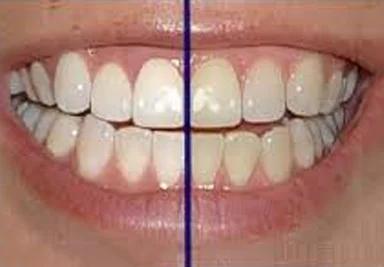
Dental implants are a revolutionary solution for replacing missing teeth, providing both durability and functionality. Essentially, a dental implant is an artificial tooth root made from biocompatible titanium that is surgically placed into the jawbone. The implant acts as a foundation for a replacement tooth (crown) or bridge, allowing patients to regain full chewing power and a natural-looking smile. The key components of a dental implant include the titanium post, the abutment (which connects the post to the crown), and the custom-made crown.
Why choose dental implants?
Compared to other tooth replacement options like dentures or bridges, implants offer unmatched durability, comfort, and a permanent solution for missing teeth. They not only restore the function and appearance of teeth but also prevent bone loss, maintain facial structure, and enhance overall oral health. Dental implants in ahmedabad are an ideal option for individuals who have lost teeth due to injury, decay, or aging and want a long-term solution.
Types of Dental Implants
When considering dental implants, it’s important to understand the different types available:
Endosteal Implants: These are the most commonly used dental implants. They are placed directly into the jawbone and provide strong support for a single tooth or multiple teeth.
Subperiosteal Implants: These implants are placed under the gums but above the jaw. They are an option for patients with insufficient jawbone height who are not candidates for bone grafting.
Zygomatic Implants: This type of implant is much less common and is used in cases where the patient has severe bone loss in the upper jaw. Instead of the jawbone, zygomatic implants are inserted into the cheekbone.
Whether you need to replace a single tooth or multiple teeth, dental implants can be tailored to your needs. In the case of multiple missing teeth, dentists may recommend implant-supported bridges or dentures for optimal results.
The Dental Implant Procedure: Step-by-Step
Obtaining dental implants entails the following steps:
Initial Consultation and Assessment: The journey begins with a thorough dental examination, including X-rays and 3D imaging, to assess the health of your jawbone and gums. Your dentist will then create a personalized treatment plan.
Tooth Extraction: If you have a damaged or decayed tooth that needs to be replaced, it will be extracted before the implant is placed.
Bone Grafting (if needed): For patients with insufficient bone density, bone grafting may be necessary to build up the jawbone. This ensures the implant has enough support and increases the success rate of the procedure.
Placing the Implant: Once the jawbone is ready, the titanium post is surgically placed into the bone. Since local anesthesia is used, there won't be any pain involved.
Healing and Osseointegration: After the implant is placed, the jawbone needs time to heal and fuse with the implant in a process called osseointegration. This can take 3–6 months, during which the implant becomes securely anchored.
Abutment and Crown Placement: Once the implant is fully integrated with the jawbone, an abutment is attached to the implant, and a custom crown is placed on top. The result is a fully functional and aesthetically pleasing tooth replacement.
Benefits and Risks of Dental Implants
Dental implants offer numerous benefits for those seeking a long-lasting solution for missing teeth:
Longevity: Dental implants are designed to last for 10+ years with proper care, making them a cost-effective option in the long run.
Improved Appearance: Implants closely resemble natural teeth, enhancing both your smile and confidence.
Enhanced Functionality: Implants restore full chewing ability, allowing you to eat your favorite foods without discomfort.
Preservation of Jawbone: Unlike dentures or bridges, implants stimulate the jawbone, preventing bone loss and maintaining facial structure.
There are hazards associated with any surgical operation, though. Infection, implant malfunction, nerve injury, and sinus problems are possible complications with upper jaw implants. It’s also important to consider the cost of dental implants, as they can be more expensive than other options. However, many patients find the long-term benefits well worth the investment, especially when choosing the best dentist in Ahmedabad for the procedure.
Conclusion
Dental implants offer a reliable, durable, and natural-looking solution for missing teeth. Whether you're considering a single tooth replacement or a full arch restoration, it's crucial to work with the best dentist for your unique needs. At Shilp Dental Care, we provide personalized, high-quality dental implant treatments in Ahmedabad to ensure optimal outcomes and a lasting smile.
Post Your Ad Here
Comments