Regenerative Joint Treatment with PRP in London
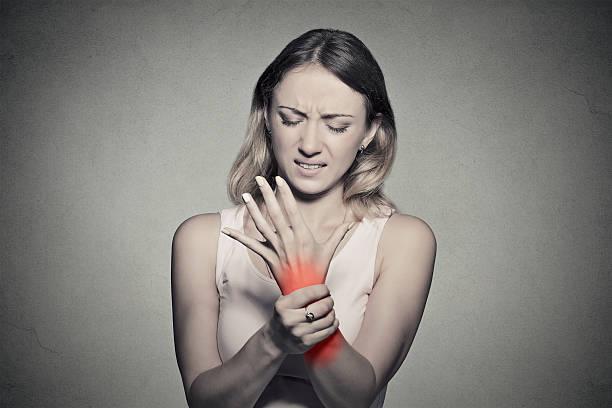

Joint pain is one of the most common complaints among Londoners—whether it's from long commutes, demanding fitness routines, or simply the natural wear and tear of everyday life. But what if your body could actually heal itself, using its own natural resources?
That’s the promise of regenerative joint treatment using Platelet-Rich Plasma (PRP)—a cutting-edge therapy that’s gaining popularity across London’s top medical clinics.
What Is PRP and How Does It Work?
Platelet-Rich Plasma (PRP) therapy is a minimally invasive treatment that harnesses the healing properties of your own blood. Here’s how it works:
A small sample of your blood is taken.
It’s spun in a centrifuge to separate out the platelets—tiny cell fragments rich in growth factors.
This concentrated plasma is then injected directly into the affected joint or soft tissue.
The growth factors stimulate the body’s natural healing process—reducing inflammation, repairing damaged tissue, and encouraging the regeneration of cartilage and tendons.
Why PRP for Joints?
Joint issues such as osteoarthritis, cartilage degeneration, tendinitis, and ligament injuries are notoriously difficult to treat without surgery. PRP offers a powerful alternative by promoting tissue repair rather than just masking symptoms.
Key Benefits:
Accelerated healing of damaged tissue
Reduced pain and stiffness
Improved mobility and joint function
Minimal side effects, since it's your own blood
Delayed or avoided surgery in many cases
PRP is especially effective for knees, shoulders, hips, elbows, and ankles—common problem areas for active adults and older patients alike.
PRP in London: What to Expect
London is at the forefront of regenerative medicine, with many clinics now offering tailored PRP treatments. Here’s what a typical process looks like:
1. Consultation
You’ll meet with a specialist—usually an orthopaedic consultant or sports medicine expert—who will assess your joint condition using physical exams, and possibly imaging like MRI or ultrasound.
2. Blood Draw & Processing
Your blood is drawn and processed on-site. This step typically takes around 10–15 minutes.
3. Injection
The PRP is injected into the target area—guided by ultrasound in many cases for precision. The procedure takes about 30–45 minutes in total.
4. Recovery
You may experience mild swelling or discomfort for a day or two, but most patients return to normal activities within 24–48 hours.
Where to Get PRP in London

Some of London’s top regenerative clinics include:
PRP London Clinic
London Orthopaedic Clinic – Marylebone
Pure Sports Medicine – Multiple locations including Bank, Kensington, and St. Paul’s
Fortius Clinic – Central London locations
Bespoke clinics in Canary Wharf, Chelsea, and Hampstead
When choosing a clinic, look for:
CQC registration
Experienced medical staff
Positive patient testimonials
Transparent pricing and follow-up care
Is PRP Right for You?
PRP is ideal for individuals who:
Suffer from mild to moderate osteoarthritis
Have persistent joint pain that hasn’t responded to physiotherapy or steroid injections
Want to avoid or delay surgery
Lead an active lifestyle and want a quick recovery
However, it may not be suitable for advanced joint degeneration or certain blood conditions. A consultation is essential to determine your eligibility.
Final Thoughts
In a city like London—where your daily life often depends on staying mobile, active, and pain-free—PRP joint treatment offers a powerful, science-backed way to tap into your body’s own healing potential.
Whether you’re a weekend warrior, an office commuter, or simply looking to improve your quality of life, regenerative joint treatment with PRP could be your next step toward lasting relief.
Post Your Ad Here
Comments