Why Choose a Bimetal Thermometer Over Other Types?
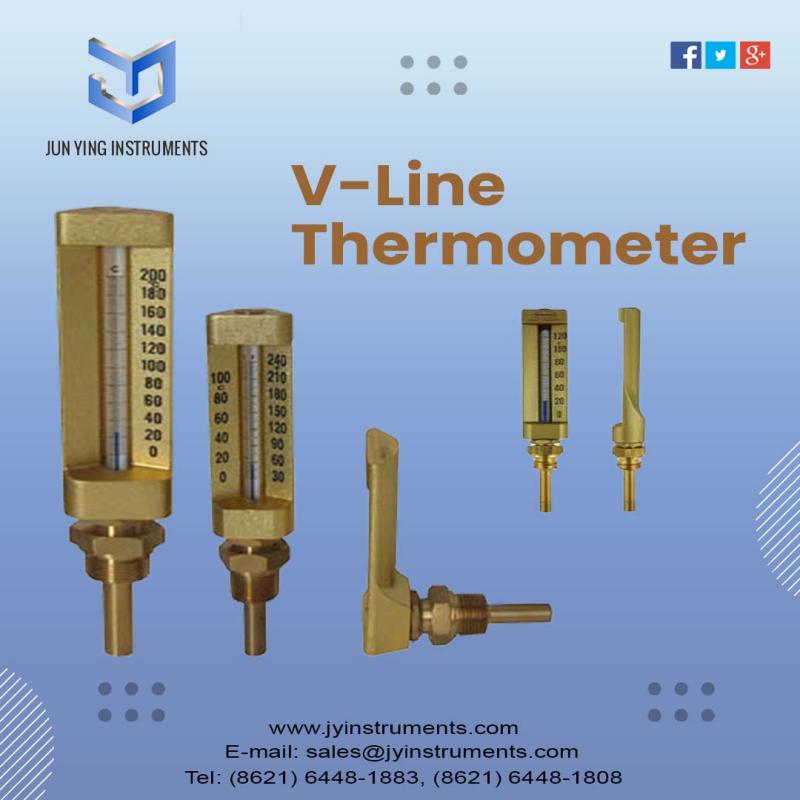
A thermometer is an essential instrument used
across various industries and applications to measure temperature accurately.
Among the different types available, the bimetal thermometer stands out due to
its reliability, simplicity, and cost-effectiveness. Whether used in industrial
processes, food safety, or HVAC systems, the bimetal thermometer offers several
advantages over other temperature measurement devices. This article explores
the key reasons why you should choose a bimetal thermometer over other types.
1. Simple and Reliable Operation
Bimetal thermometers & Sanitary gauge operate
based on the principle of thermal expansion. They consist of two different
metal strips bonded together, each with a distinct expansion rate. When the
temperature changes, the metals expand or contract at different rates, causing
the strip to bend. This bending motion drives the pointer on the dial,
displaying the temperature reading.
Unlike electronic thermometers, which require
batteries or external power sources, bimetal thermometers function purely
mechanically. This makes them reliable in harsh environments where electronic
devices may fail due to power issues or exposure to extreme conditions.
2. Wide Temperature Range
Bimetal thermometers are designed to measure a
broad range of temperatures, typically from -50°C to 500°C (-58°F to 932°F).
This versatility makes them suitable for various applications, from monitoring
food storage conditions to measuring high-temperature industrial processes.
Other types of thermometers, such as
liquid-filled or infrared thermometers, may have limitations in terms of the
temperature range they can handle. Bimetal thermometers provide a practical
solution for users who require a single instrument for both low and
high-temperature readings.
3. Durable and Maintenance-Free
One of the biggest advantages of a bimetal
thermometer is its durability. Made from high-quality stainless steel or other
robust materials, these thermometers are resistant to corrosion, impact, and
vibration. This makes them ideal for use in demanding environments, such as
manufacturing plants, chemical processing facilities, and outdoor settings.
Unlike digital or mercury thermometers, bimetal
thermometers do not require frequent calibration, battery replacements, or
liquid refills. Their mechanical design minimizes maintenance needs, reducing
operational costs and downtime.
4. Cost-Effective Solution
Compared to digital and infrared thermometers,
bimetal thermometers are more affordable. They provide accurate temperature
readings without requiring expensive sensors or complex circuitry. The low cost
of production and maintenance makes them an economical choice for industries
looking for a budget-friendly yet reliable temperature measurement solution.
Additionally, since they do not rely on
electrical components, there is no risk of electronic failure or the need for
software updates, further contributing to long-term cost savings.
5. Versatility in Applications
Bimetal thermometers are widely used across
multiple industries due to their adaptability. Some common applications
include:
·
Food Industry: Used in ovens,
refrigerators, and food storage to ensure proper temperature control and
compliance with safety regulations.
·
HVAC Systems: Installed in
heating, ventilation, and air conditioning systems to monitor and regulate
indoor temperatures.
·
Industrial Processes: Used in
boilers, furnaces, and pipelines to track temperature fluctuations in
manufacturing plants.
·
Medical and Laboratory Use:
Helps in temperature monitoring of equipment and environments in medical and
research facilities.
6. No Environmental Hazards
Unlike mercury thermometers, which pose
environmental and health risks due to toxic mercury leakage, bimetal
thermometers are safe to use. They do not contain harmful substances, making
them environmentally friendly and compliant with safety regulations.
Conclusion
Choosing the right Bimetal Thermometer
depends on the specific requirements of an application. While digital and
infrared thermometers have their own advantages, bimetal thermometers offer a
unique combination of reliability, durability, affordability, and ease of use.
Their simple mechanical design ensures accurate temperature readings without
the need for external power, making them a practical choice for various
industries.
If you need a temperature measurement device that
is robust, cost-effective, and maintenance-free, a bimetal thermometer is an
excellent choice. Its proven performance and versatility make it a preferred
option for professionals and industries worldwide.
Post Your Ad Here
Comments