The Role of Disk Filters in Wastewater Treatment: A Complete Guide
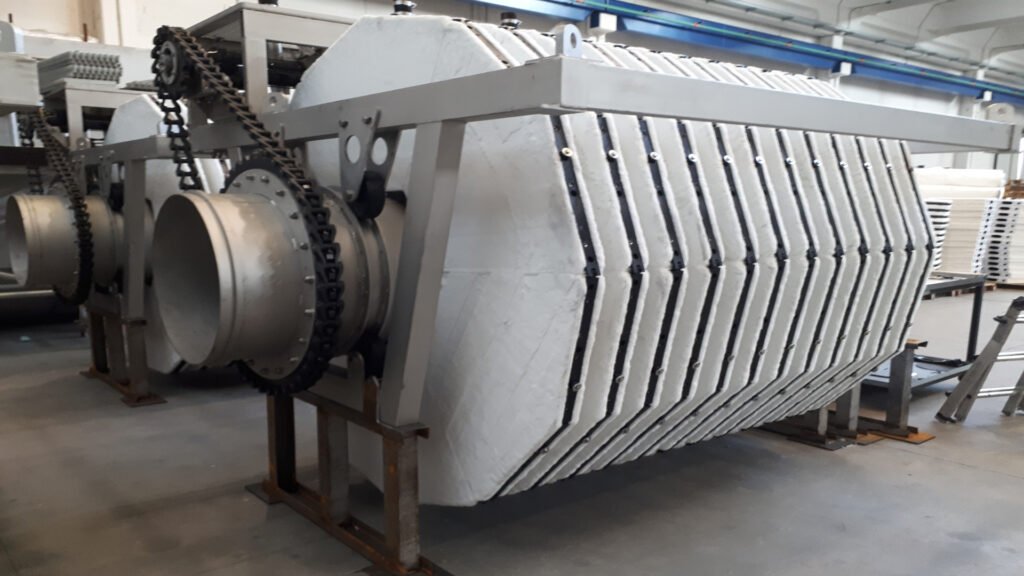
Wastewater treatment is a crucial process in maintaining environmental sustainability and ensuring safe water management. Among the various filtration technologies available, disk filters in wastewater treatment play a vital role in improving water quality by effectively removing suspended solids and contaminants. These advanced filtration systems have become an essential component in municipal, industrial, and agricultural wastewater treatment plants due to their efficiency, compact design, and cost-effectiveness. This guide provides an in-depth understanding of disk filters, their working principles, benefits, and applications in wastewater treatment.
Understanding Disk Filters in Wastewater Treatment
Disk filters are specialized filtration systems designed to capture and remove fine particles from wastewater. They consist of multiple stacked disks with grooves that create a highly efficient filtration surface. The filtration process occurs when wastewater flows through these disks, trapping solid particles while allowing clean water to pass through. The unique design of disk filters ensures high filtration efficiency with minimal energy consumption, making them a preferred choice in modern wastewater treatment facilities.
How Disk Filters Work in Wastewater Treatment
The working principle of disk filters is based on mechanical filtration. As wastewater enters the filtration unit, it flows through the stacked disks, where particles are trapped within the grooves. Over time, as contaminants accumulate, the system initiates a self-cleaning process, known as backwashing. During backwashing, the disks separate slightly, and water flows in the reverse direction, effectively removing trapped solids. This automated cleaning mechanism ensures uninterrupted operation and reduces maintenance efforts.
Benefits of Using Disk Filters in Wastewater Treatment
Disk filters offer numerous advantages that make them an ideal choice for wastewater treatment applications. Their compact design allows for easy installation in space-constrained environments, while their high filtration efficiency ensures the removal of even the smallest particles. Additionally, disk filters consume less energy compared to traditional filtration methods, making them a cost-effective solution. The self-cleaning feature enhances operational efficiency and reduces downtime, leading to improved overall system performance.
Applications of Disk Filters in Various Wastewater Treatment Processes
Disk filters are widely used in different wastewater treatment processes, including municipal wastewater treatment plants, industrial effluent treatment, and agricultural irrigation systems. In municipal settings, disk filters help in tertiary treatment, ensuring that discharged water meets regulatory standards. Industries utilize these filters to remove suspended solids from process water, reducing environmental impact. In agriculture, disk filters play a crucial role in treating irrigation water, preventing clogging in drip and sprinkler systems.
Comparison of Disk Filters with Other Filtration Systems
When compared to traditional filtration systems such as sand filters and cartridge filters, disk filters stand out due to their superior efficiency, lower maintenance requirements, and longer lifespan. Unlike sand filters, which require frequent media replacement, disk filters have a durable design that minimizes operational costs. Additionally, cartridge filters often experience clogging issues, whereas disk filters provide a continuous and automatic self-cleaning process, ensuring consistent performance.
Maintenance and Operational Considerations for Disk Filters
Regular maintenance is essential to ensure the optimal performance of disk filters. Although these systems feature automatic backwashing, periodic inspections are necessary to check for wear and tear on disks and other components. Operators should monitor flow rates and pressure levels to detect any potential issues early. Proper cleaning and occasional replacement of worn-out disks will help maintain filtration efficiency and extend the lifespan of the system.
The Future of Disk Filters in Wastewater Treatment
With increasing concerns over water pollution and stringent environmental regulations, the demand for efficient and sustainable filtration solutions is on the rise. Disk filters are expected to play an even greater role in future wastewater treatment technologies. Advancements in materials and automation are likely to further enhance their performance, making them an indispensable tool in water conservation and reuse efforts.
Conclusion
Disk filters in wastewater treatment provide an effective and reliable solution for removing suspended solids and ensuring high-quality water discharge. Their advanced filtration technology, combined with energy efficiency and low maintenance requirements, makes them a preferred choice in various industries. As wastewater treatment continues to evolve, disk filters will remain a crucial component in achieving cleaner and more sustainable water management solutions.
Post Your Ad Here